
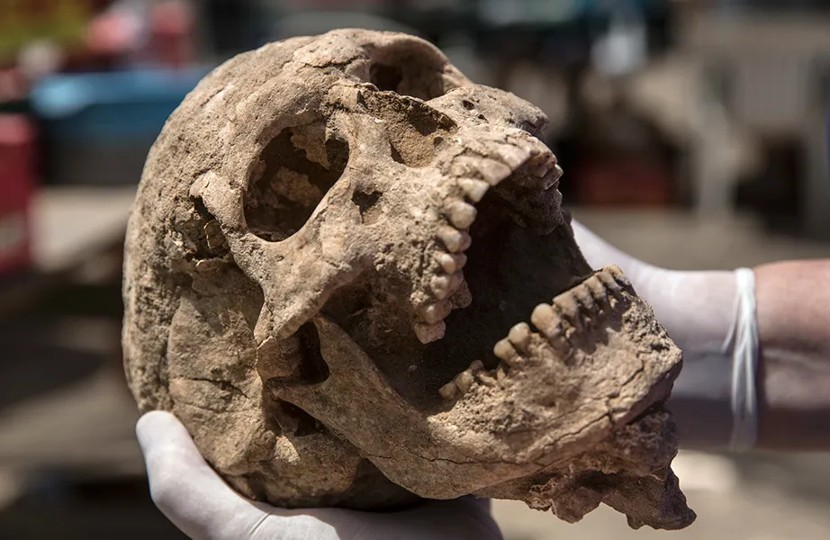
 Last month we introduced the puzzle regarding the Philistines being mentioned in Genesis 21 and 26. It seems that the Bible references them being in Canaan during the patriarchal age—at least 500 years before they are supposed to have migrated into the region according to the archaeological evidence. Indeed a 2020 DNA analysis of Philistine skeletal remains from Ashkelon established that these peoples arrived from the Greek isles around the 13th century BC. Last month we presented the idea that these were two distinct people groups. Indeed the Biblical narratives contain clues regarding this. The early Philistine rulers in Genesis are called “kings,” never “lords” like we see in the later rulers during the times of Saul and David. The same situation exists with the names mentioned in the Bible. The later Philistines carry Indo-European derived names, like Goliath and Achish. The earlier Philistines employ local Canaanite names, like Abimelech and Phicol. So, assuming there was a complete ethnic change, what led to this population shift along the seacoast? Note in Deuteronomy 20:23 that the Caphtor people conquered the Avim and lived in their towns. Who were the Caphtor people? Amos 9:7 reads: “Have not I brought up Israel out of the land of Egypt, And the Philistines from Caphtor …?” Jeremiah 47:4 states: “For the Lord will spoil the Philistines, The remnant of the isle of Caphtor.” The island Caphtor is identified primarily in ancient texts with the island of Crete. So, the earlier “Philistines” were actually a Canaanite tribe that occupied the region that would eventually be conquered by the “Sea People” of Crete (the later Philistines). There is no contradiction or historical discrepancy.
The Philistine Puzzle – Part 2

